The Biggest Mistakes When Selling a House in California
California has some of the strictest seller disclosure laws in the country and some of the most selective local markets. Most money lost in a California sale traces to one of eight avoidable mistakes. The two most expensive are overpricing at launch and mishandling disclosures.
1. Overpricing based on hope instead of comps
Pricing to what you want rather than what has actually closed is the most expensive mistake available to a California seller. An overpriced listing goes stale, loses its launch momentum, and sells for less after a sequence of reductions.
Correct pricing is built from closed comparable sales within a half-mile to one mile, adjusted for condition, and checked against live competition. Los Angeles County homes averaged 41 days active in the MLS with 4.8 months of supply in September 2026 (InfoSparks / CRMLS). Paul Fernandez's career list-to-sold ratio is 103% across 200+ closed transactions, with a 25-day career average days on market.
2. Getting California disclosures wrong
California requires the Transfer Disclosure Statement (TDS), the Natural Hazard Disclosure (NHD), and additional state and local forms. Failing to disclose material facts creates post-sale liability that can exceed the commission you were trying to save. Commonly missed items:
- A death on the property within the last three years
- Prior water intrusion, roof leaks, or mold remediation
- Foundation or drainage issues
- Unpermitted additions, garage conversions, or patio structures
- Known neighborhood nuisances and boundary disputes
3. Ignoring deferred maintenance before listing
Chipped paint, worn flooring, and leaking fixtures do not reduce your price by their repair cost. They hand buyers leverage to demand large credits during the inspection contingency or to renegotiate entirely. Addressing visible items before launch costs less than conceding them after an offer.
4. Skipping presentation and curb appeal
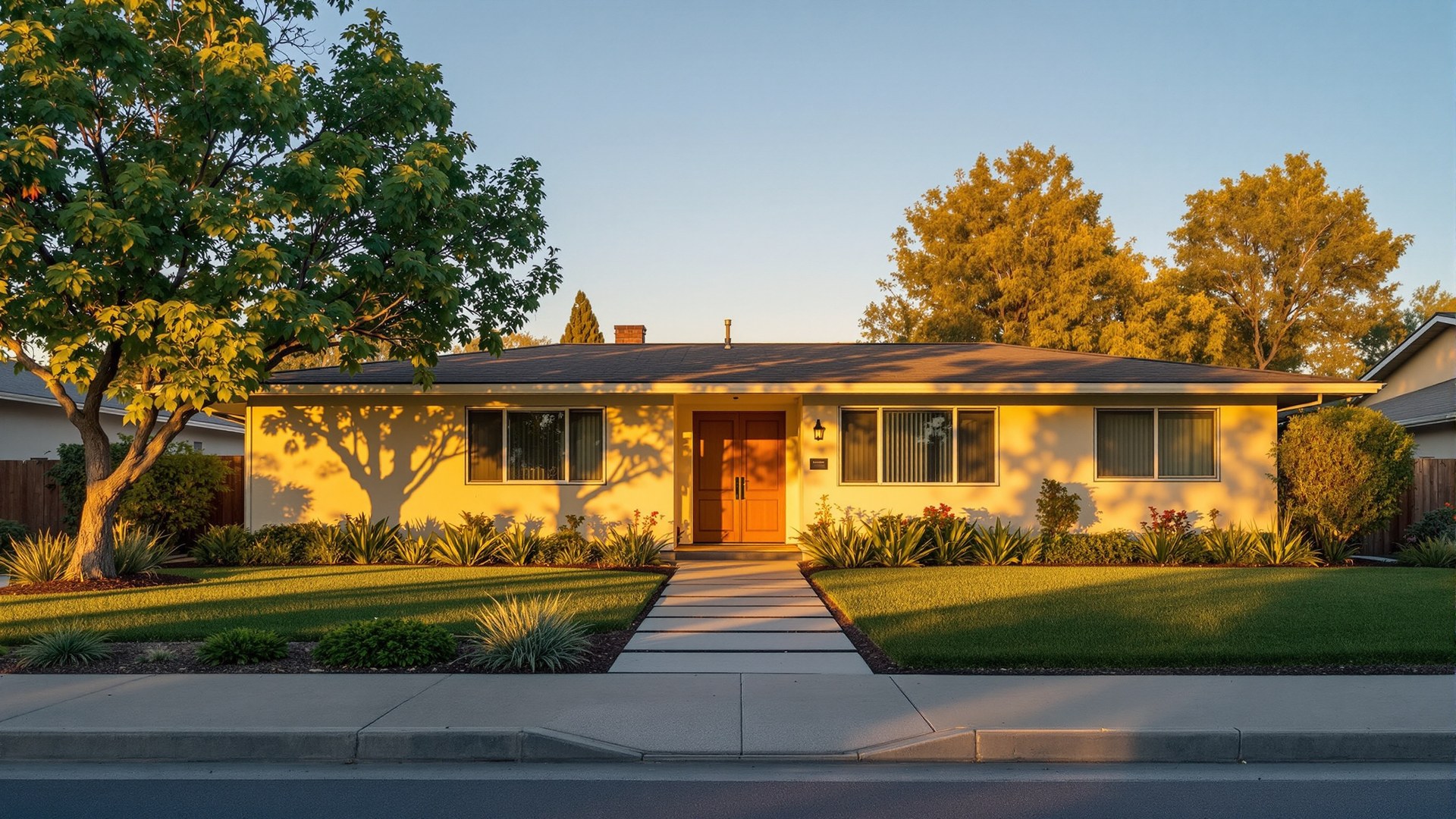
The first showing happens online. Deep cleaning, fresh paint, landscaping, and staging are not cosmetic extras in a selective market; they are what separates a home selling near list from a home absorbing the slowdown.
5. Using phone or amateur photography
Most buyers filter online before touring. Dark, cluttered, or low-resolution photos cut click-through, which cuts showings, which cuts offers. Professional photography, floor plans, and a 3D walkthrough are baseline.
6. Leaving unpermitted work unresolved
California inspectors and buyers check permits closely. An unpermitted conversion that is neither disclosed nor resolved kills deals in escrow, often after you have already spent money moving.
7. Underestimating California closing costs
Sellers routinely miss transfer taxes including Measure ULA where it applies, escrow and title fees, county and city charges, and capital gains exposure, which matters especially on inherited property or a short holding period. Your net is the number that counts, not the list price. See the 2026 California seller closing costs guide for the line items.
8. Restricting showings
A home that is hard to tour gets skipped for an easier one. With 4.8 months of supply in Los Angeles County, buyers have alternatives, and difficult access is a self-inflicted price reduction.
Avoiding all eight
Each of these is a decision made before the home goes public. Paul Fernandez runs the pre-listing pass with city-level InfoSparks / CRMLS data across 176 Southern California cities, a comp-based pricing position, and a disclosure review built for California requirements. To talk through your own property, contact Paul.
Paul Fernandez, California licensed REALTOR®, CA DRE #01835505, Rise Realty. This is general information about the California sale process, not legal or tax advice; consult an attorney or CPA for your situation. Performance figures reflect closed transaction history and are not a guarantee of results.
Frequently asked questions
What is the most expensive mistake when selling a house in California?
Overpricing at launch. An overpriced listing goes stale, loses its first-two-weeks momentum, and usually sells for less after a sequence of reductions than it would have at an accurate opening price built from closed comparable sales.
What disclosures does a California home seller have to provide?
At minimum the Transfer Disclosure Statement (TDS) and the Natural Hazard Disclosure (NHD), plus any state and local forms that apply. Material facts such as a death on the property within three years, prior water intrusion, foundation issues, and unpermitted work must be disclosed. This is general information, not legal advice.
How long does it take to sell a house in Los Angeles County right now?
Los Angeles County homes averaged 41 days active in the MLS with 4.8 months of supply in September 2026 (InfoSparks / CRMLS). Accurately priced, well-presented homes move faster; Paul Fernandez's career average is 25 days on market.